Steps to Effectively Plan Your Bathroom Remodel: A Guide to Bathroom Remodel Planning

Remodeling a bathroom is an exciting project that can transform one of the most used spaces in your home. It’s a chance to improve functionality, update the style, and increase your home’s value. However, without a clear plan, the process can quickly become overwhelming and costly. We want to share practical steps to help you approach your bathroom remodel with confidence and clarity. This guide will walk you through bathroom remodel planning, from setting a budget to choosing materials and managing the timeline.
Understanding Bathroom Remodel Planning
Before diving into design ideas or picking out fixtures, it’s essential to start with a solid plan. Bathroom remodel planning involves assessing your current space, defining your goals, and organizing your resources. We recommend beginning by asking yourself what you want to achieve with the remodel. Are you looking to create a spa-like retreat, improve storage, or update outdated features? Knowing your priorities will guide every decision you make.
Next, take measurements of your bathroom. Accurate dimensions are crucial for selecting the right fixtures and ensuring everything fits comfortably. Consider the layout and whether you want to keep the existing plumbing locations or move them. Moving plumbing can add significant costs and time, so it’s worth weighing the benefits carefully.
Budgeting is another key part of planning. Determine how much you are willing to spend and allocate funds to different parts of the project, such as labor, materials, and unexpected expenses. A well-planned budget helps prevent surprises and keeps the remodel on track.

Setting a Realistic Budget and Timeline
One of the most important steps in bathroom remodel planning is setting a realistic budget and timeline. We suggest breaking down your budget into categories like fixtures, cabinetry, flooring, labor, and permits. Don’t forget to include a contingency fund of about 10-15% for unexpected costs. For example, discovering water damage behind walls or needing to upgrade electrical wiring can add to expenses.
When it comes to the timeline, consider how long each phase will take. Demolition, plumbing, electrical work, tiling, and finishing touches all require different amounts of time. Communicate with your contractor to get a clear schedule and build in some buffer days for delays. Remember, rushing can lead to mistakes, so a steady pace is better.
To keep your project on budget and schedule, track expenses and progress regularly. Use a checklist or project management app to stay organized. This approach helps you spot issues early and make adjustments as needed.
What is the 30% Rule in Remodeling?
The 30% rule is a helpful guideline when planning any remodeling project, including bathrooms. It suggests that you should expect to spend about 30% of your home’s value on a full remodel to achieve a high-quality transformation. While this is not a strict rule, it helps set expectations for budgeting.
For example, if your home is valued at $400,000, a bathroom remodel budget around $12,000 might be reasonable for a premium upgrade. This rule also reminds us that investing too little can lead to subpar results, while overspending might not increase your home’s value proportionally.
Keep in mind that the 30% rule is flexible. Your specific needs, the size of your bathroom, and the quality of materials you choose will influence the final cost. Use it as a starting point to guide your budget discussions.
Choosing Materials and Fixtures Wisely
Selecting the right materials and fixtures is where your bathroom remodel starts to take shape visually and functionally. We recommend focusing on durability, style, and maintenance when making choices. For example, porcelain tiles are a popular option for flooring because they are water-resistant and easy to clean. Natural stone can add luxury but may require more upkeep.
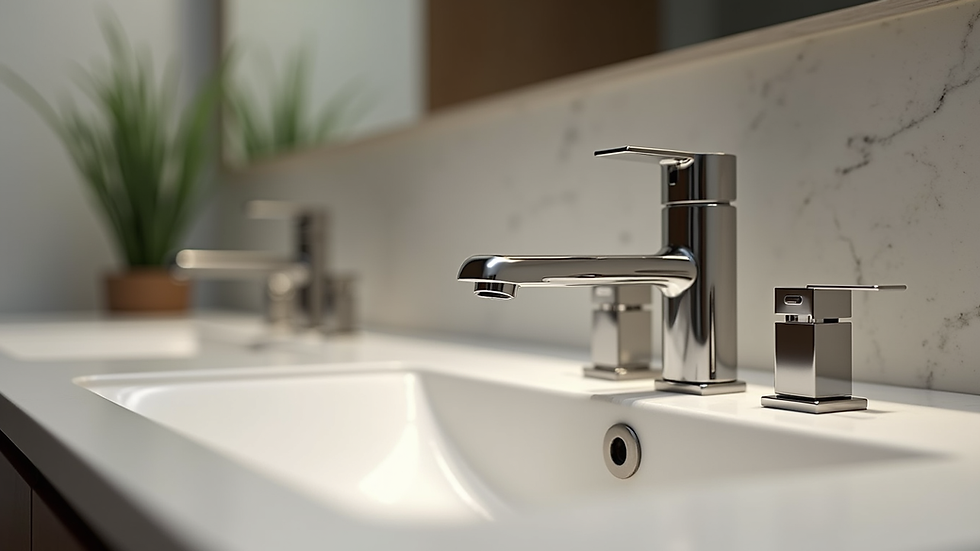
When picking fixtures like sinks, toilets, and showers, consider water efficiency and comfort. Modern low-flow toilets and faucets help save water without sacrificing performance. A walk-in shower with a bench can improve accessibility and relaxation.
Cabinetry and storage solutions should match your lifestyle. If you have a busy household, opt for cabinets with soft-close drawers and plenty of compartments. Lighting is another critical element. Layered lighting with overhead, task, and accent lights creates a welcoming atmosphere and improves functionality.
Collaborating with Professionals for Best Results
While DIY projects can be rewarding, bathroom remodels often require professional expertise to ensure safety and quality. Plumbing, electrical work, and structural changes are best handled by licensed contractors. We recommend interviewing several professionals, checking references, and reviewing portfolios before making a choice.
A good contractor will help refine your ideas, suggest practical solutions, and manage the project timeline. They can also assist with obtaining necessary permits and inspections, which are crucial for compliance and resale value.
Communication is key throughout the remodel. Regular updates and walkthroughs help keep everyone aligned and address any concerns promptly. Don’t hesitate to ask questions or request changes if something doesn’t meet your expectations.
Final Touches and Enjoying Your New Bathroom
After the major work is done, it’s time to add the finishing touches that make your bathroom feel complete. Accessories like towel bars, mirrors, and decorative elements personalize the space. Choose items that complement your overall design and add convenience.
Once everything is installed, take time to inspect the work carefully. Check for leaks, proper fixture operation, and clean finishes. Address any issues with your contractor before final payment.
Enjoying your new bathroom is the reward for careful planning and effort. A well-executed remodel not only enhances your daily routine but also adds lasting value to your home.
If you want to learn more about how to plan a bathroom remodel, this resource offers detailed insights and tips to guide you through the process.
By following these steps, you can approach your bathroom remodel with confidence and clarity. Thoughtful bathroom remodel planning ensures your project runs smoothly, stays within budget, and results in a beautiful, functional space you’ll love for years to come.


Comments